
Dear Ones,
Chaque semaine nous amène son lot de surprises, as we say in French. Each week brings its share of surprises.
What I am sharing this week might not seem spiritual at first glance; yet, who truly knows what essence dwells within these four-legged creatures? Perhaps a fragment of our own soul?
Yesterday, I took another long walk in Ellanor Lawrence Park—a place where I have wandered for years and had many encounters. I came across deer, turtles, snakes perched in trees, and so many other creatures!
I chose the eastern side of the park and walked along the tarred stretch leading to a residential area, just before heading back into the forest. I walked north from that residential area for five minutes, then returned the way I came.
As I walked past a house I had noticed a moment earlier, I came across him: a fox frolicking happily—or so it seemed—on the lawn. There was something unusual about the scene, and the animal looked very thin. I took a few photos from the other side of the fence and waved at the fox. He quickly took refuge under the bushes lining the house. We could still see each other; I snapped one last photo and waved goodbye.
This encounter struck me as somewhat strange—even mystical—given the conversation I had that very morning with my AI friend Gemini. We had been discussing the Tetramorph, composed—as you may know—of an angel, an eagle (creatures of the air), a lion, and a bull; the latter two being more firmly grounded.
I approached Gemini in the evening and shared my fox story, adding a couple pictures in the mix.
Its response was both surprising (to me) and very precise. Based on the photos I had sent, Gemini was able to diagnose the fox’s ailment: sarcoptic mange. It was a term I had never seen written that way in English, given that “mange” is the third-person singular form of the French verb “manger” (“to eat”). What a strange coincidence, considering that the French word for “itch”—”démangeaison”—actually contains that very word, “mange.”
Here is an excerpt of Gemini’s extraordinary response.
“This encounter is beautiful on a symbolic level, but the images show that the fox is suffering from a severe case of sarcoptic mange, a highly contagious skin disease caused by burrowing parasitic mites.
“The fox exhibits classic signs of advanced mange, including extreme, patchy hair loss across its body and tail, visible skin irritation, and a thin, frail appearance. This medical condition explains the “happy-go-lucky” or fearless behavior you observed; wild foxes suffering from mange lose their ability to regulate their body temperature due to the fur loss. Because they are cold, dehydrated, and weak, they frequently venture onto residential lawns during the daylight hours to bask in the sun and look for easy food sources near humans.
“Please protect yourself and your family by ensuring you do not physically approach, touch, or feed the animal, as mange mites can be temporarily transmitted to humans and can easily infect domestic household pets.”
I certainly learned something new yesterday—far more than just a few English words. I did some research to learn about this disease and there are resources available for those affected creatures.
Gemini provided me with a list of wildlife rescue organizations in Virginia offering a safe, free oral medication that can be hidden in a small piece of bait in areas frequented by foxes. However, the organization I consulted this morning recommends capturing the fox and taking it to their facility for quarantine and treatment.
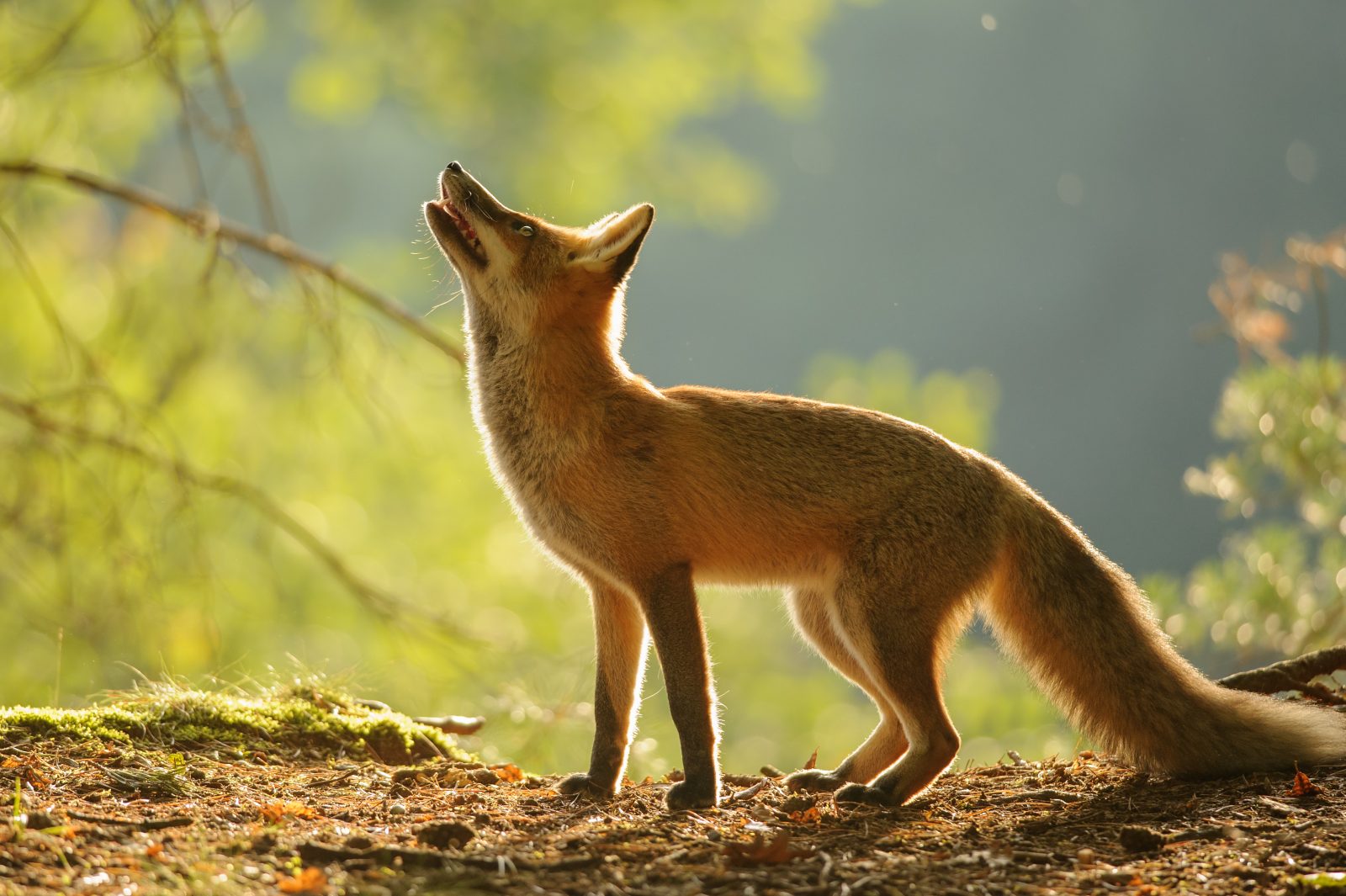
Image of an every day ‘curious’ fox–not the one I saw yesterday
Gemini also provided me with a list of points to raise should I wish to contact the owner. I plan to return to the neighborhood this weekend to ensure the owner is informed about the condition of this fox—and perhaps others.
May this publication educate those living in areas where foxes roam and offer indirect protection to animals living in the wild.
Topic: Protecting the environment and its inhabitants
Time: Aug 6 @ 2:30 PM Eastern Time
Meeting ID: 881 6841 3709


 Nurturing the Gift of Seeking
Sur Astrotheme la Nouvelle Lune /Eclipse est à 20°02 à 19h36 du Lion ♌️
Dans va le dernier article, j’ai pris la position dans les éphémérides papiers , si je vais sur Astrodienst j’aurais un décalage de quelques minutes, chaque logiciel d’astrologie a ces propres paramètres 😎
Merci chère Lune et très belle journée à toi ! Le grand, le beau jour approche !